9 Min Read
What Should I Put in My Operation Christmas Child Shoebox? Meet Wella!
Read More

8 Min Read
Jun 12, 2026
In some of the world's most remote communities, a simple medical appointment can require a full day's travel and cost more than a family can afford. For millions of people, basic healthcare isn't just inconvenient—it's inaccessible.
According to the World Health Organization, at least half of the world's population lacks access to essential health services. In many of the villages where Set Free serves, the gap is even greater. Hospitals and healthcare facilities are typically located in urban centers, making treatment difficult or impossible for families living in remote rural areas.
The consequences are devastating. Globally, 5.4 million children under the age of five died in 2017, and more than 2.5 million of those deaths occurred within the first month of life. Many of these deaths could have been prevented through simple, affordable medical interventions.
This is why Set Free's medical outreach matters.
In 2025 alone, Set Free hosted 22 free mobile medical clinics in India, serving 27,139 people. At one recent clinic, 1,976 patients received medical care and 265 people made decisions to follow Christ.
But what actually happens at a Set Free medical clinic?
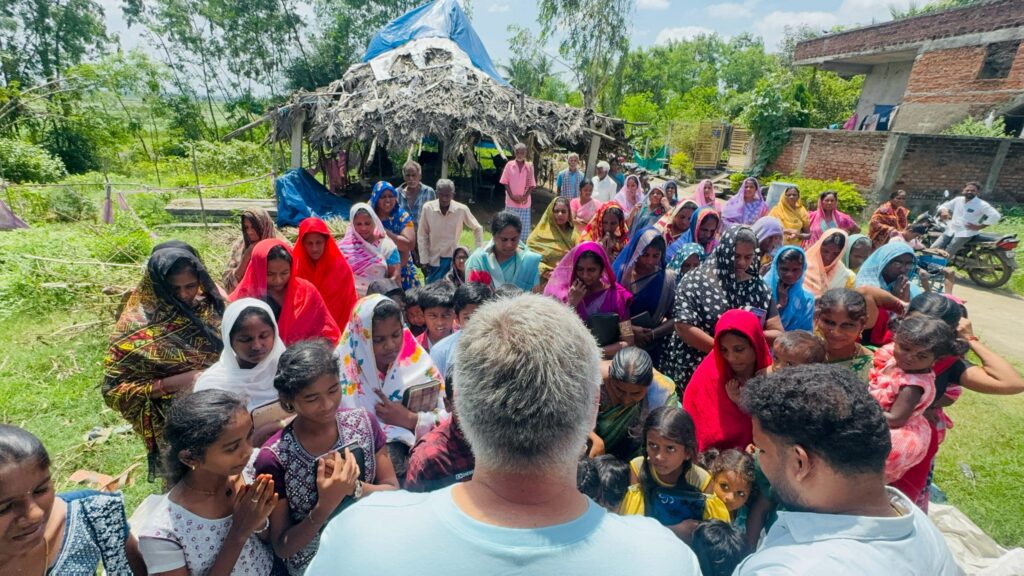
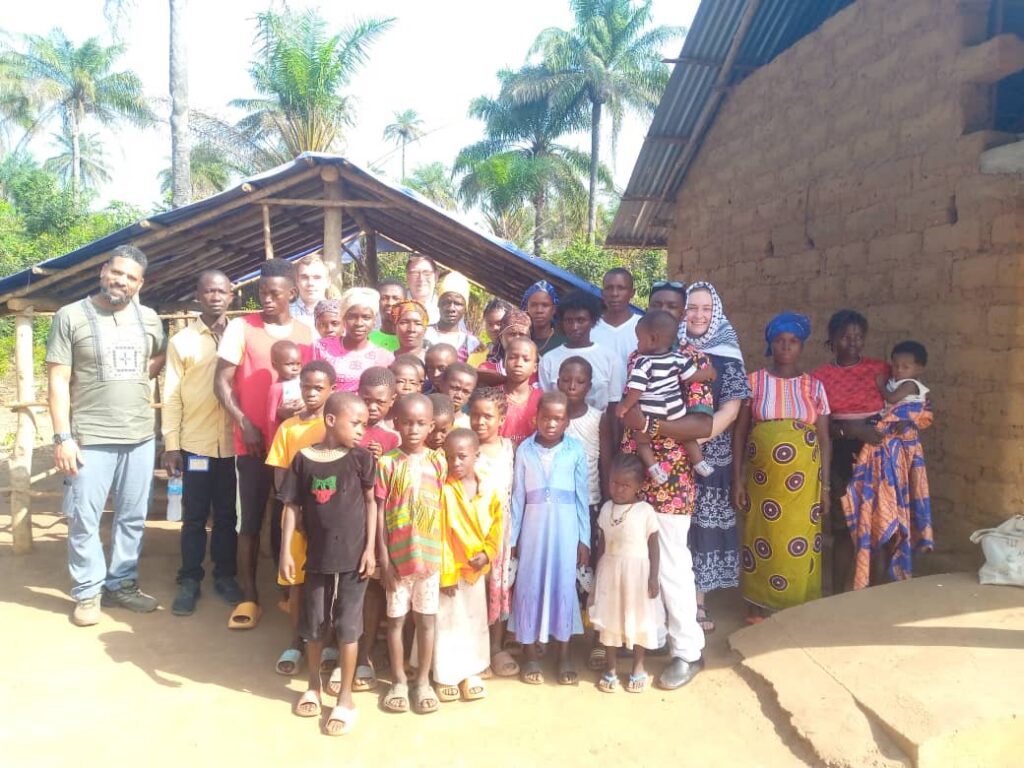
Before a clinic ever begins, local churches and ministry leaders spread the word throughout surrounding villages. Many patients walk for hours to attend. Some have never seen a doctor before.
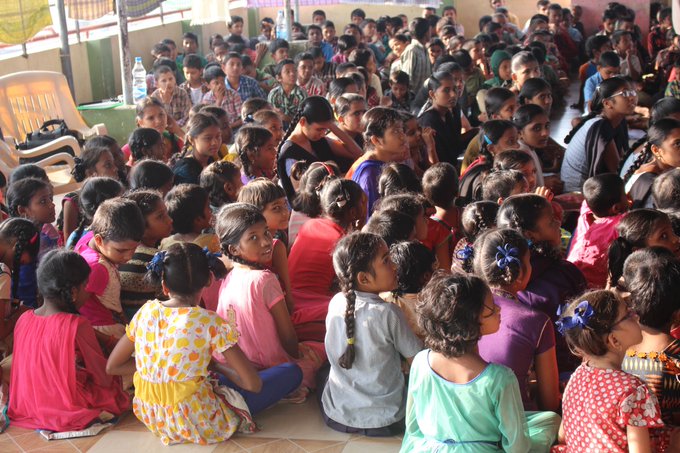
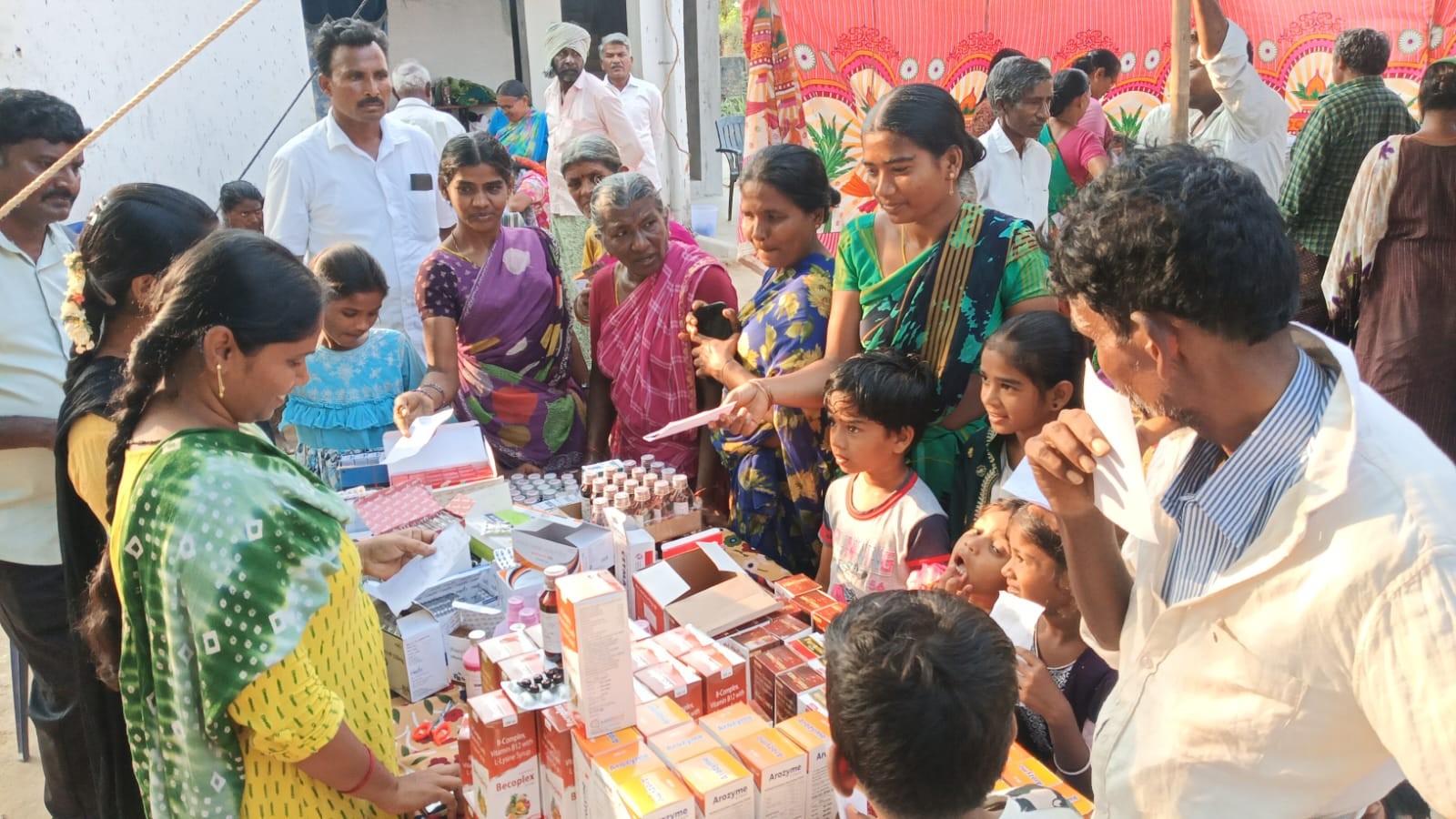
During a recent free clinic in the tribal village of Gidajam, people began gathering early in the morning. In this remote area, traveling to a healthcare facility often costs a full day's wages, causing illnesses to go untreated for months.
Set Free's medical clinics are completely free of charge and hosted alongside local churches because our goal is not simply to provide temporary care. We want to build lasting relationships that continue long after the clinic team leaves.
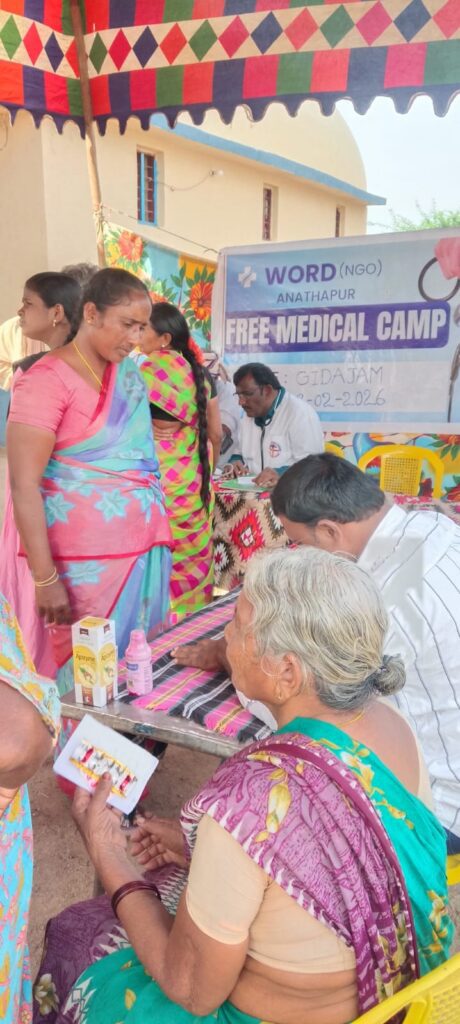
When patients arrive, they are checked in and evaluated by medical staff and local volunteers.
Their vital signs are taken, symptoms are recorded, and those with the most urgent medical needs are prioritized for treatment. Patients receive a number and wait their turn while local pastors and ministry leaders spend time talking with them, answering questions, and offering prayer.
For many patients, this is the first time someone has taken the time to listen carefully to their concerns.
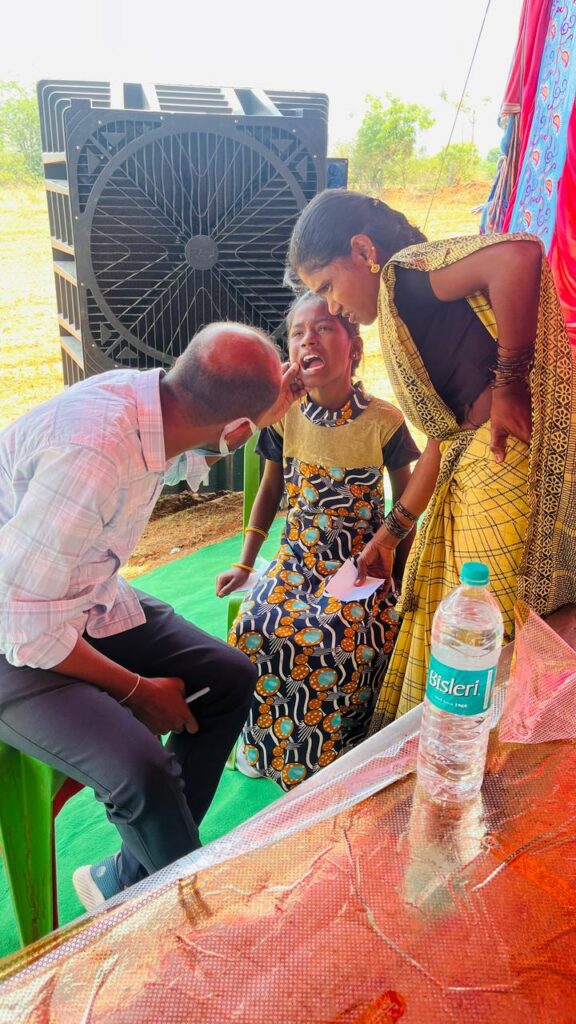
Patients are then seen by doctors, nurses, and other healthcare professionals who evaluate their condition and determine the appropriate treatment.
The most common conditions treated include:
Sometimes teams encounter more serious medical needs as well. During clinics in Liberia, where Set Free served from 2002 to 2023, medical missionaries helped coordinate surgeries for patients suffering from large untreated hernias and provided specialized evaluations for patients with complex conditions. During a recent medical clinic in India, Set Free partnered with a non-profit specializing in vision care. In partnership with Set Free, the organization conducted screenings, gave away glasses, and referred those who needed to surgery.
Many patients arrive after months—or even years—of suffering from conditions that could be treated with inexpensive medications.
As Dr. Cecelia Baskett recalls, "So many people came with common illnesses that had become severe because they had no access to care. All they needed were common over-the-counter medications or an antibiotic to cure them, but they suffered for months. It was a relief to finally receive treatment so they could get better and work again to provide for their families."
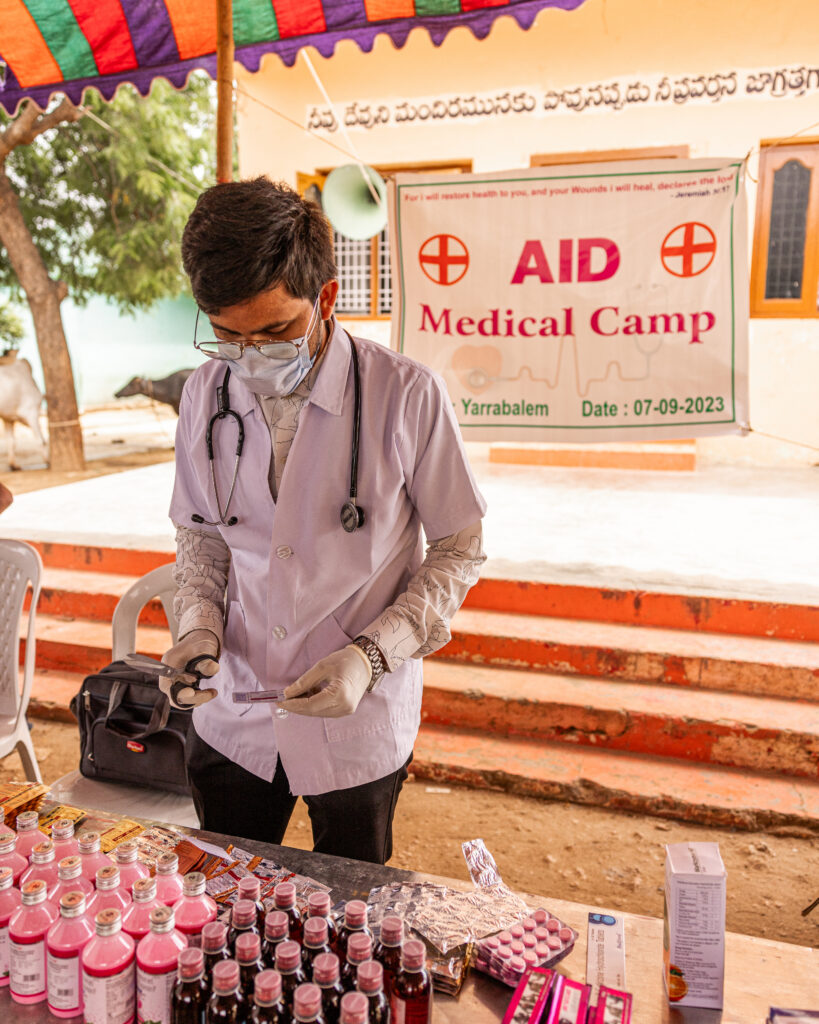
After seeing a medical provider, patients visit the clinic pharmacy.
Here they receive medications, instructions on how to take them, and education about their condition. Medical staff and local translators work together to ensure patients understand their treatment plan.
Jennifer Sullivan, who served in Liberia and Sierra Leone as part of the pharmacy team, describes the process. "The patient's last stop is the pharmacy where they receive their medications along with instructions on how to take them. Someone is usually there to talk or pray with them as they wait."
For many patients, over-the-counter medications or an antibiotic that cost only a few dollars can dramatically improve their quality of life. Dr. Baskett encountered one toddler with dermatitis of the scalp so severe she almost misdiagnosed it. “I had never seen the illness cause such severe skin breakdown and bleeding. The baby only needed a simple anti-fungal cream which cost $3.94 at Walmart.”
Medical care opens doors, but it is not the final goal.
Throughout the clinic, local pastors and church leaders build relationships with patients, pray with families, and share the hope of Christ. While people wait to be seen, they often hear Bible stories, watch gospel presentations, or engage in conversations about faith.
Many clinics conclude with additional opportunities for discipleship and evangelism, including screenings of the Jesus Film in local languages.
As Dr. David Malpass explains, "The medical clinic and water well drilling were tools God used to grant us access to villages so that relationships could be formed and the gospel shared."
The impact often extends far beyond physical healing.
During the recent clinic in Gidajam, a 28-year-old mother arrived after suffering for four months with chest tightness, fatigue, body pain, and frequent fainting. Local healers believed her illness was a curse. Medical examination revealed severe anemia, dehydration, and dangerously low blood pressure.
After receiving treatment and prayer, she reported feeling immediate relief and peace. The next morning, she returned smiling, saying she had slept peacefully for the first time in weeks.
Her story spread throughout the village.
Soon, others began requesting prayer for sickness, family struggles, and personal challenges. What began as a medical clinic became an opportunity for an entire community to encounter hope.
Family Medicine Physician | Columbia, South Carolina
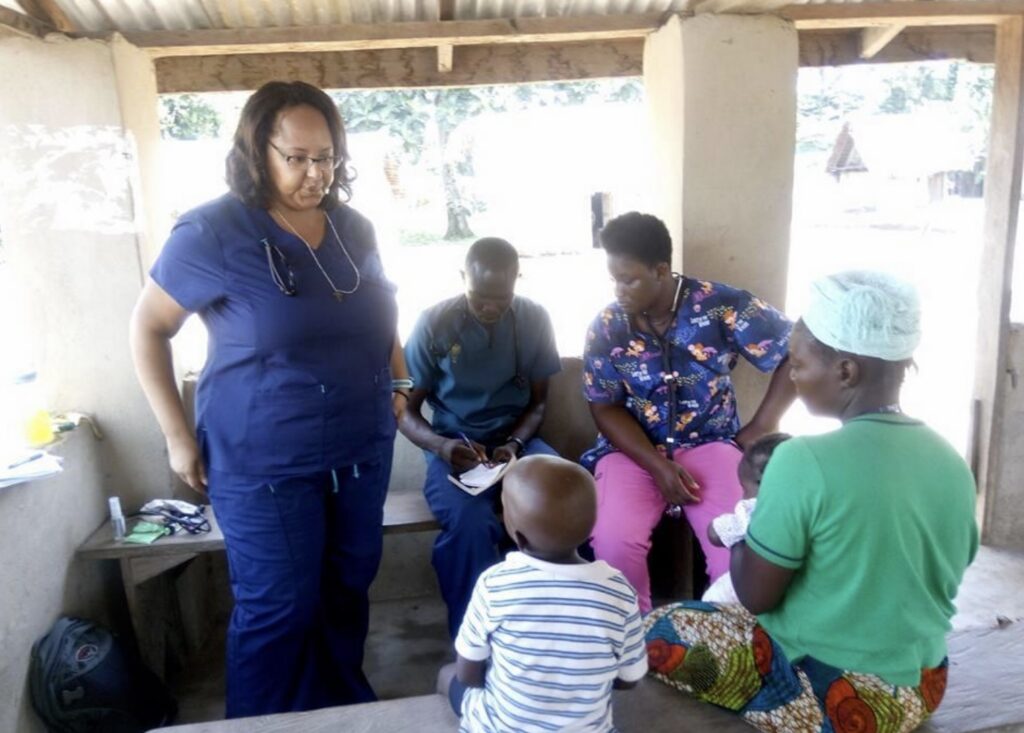
Dr. Baskett has served on Set Free mission trips since 2013, participating in medical outreach across Liberia and Sierra Leone.
She believes medical missions are a powerful way to meet both physical and spiritual needs. "I knew the importance of giving and serving in missions that meet the physical and spiritual needs of people Christ came and died for."
One of her most memorable experiences involved an elderly woman who had lost all of her children during the Ebola crisis. "We prayed together and I spent time listening to her express her heart. She could speak freely knowing it was a safe place and we cared for her."
Pediatric Cardiologist | Greenville, South Carolina
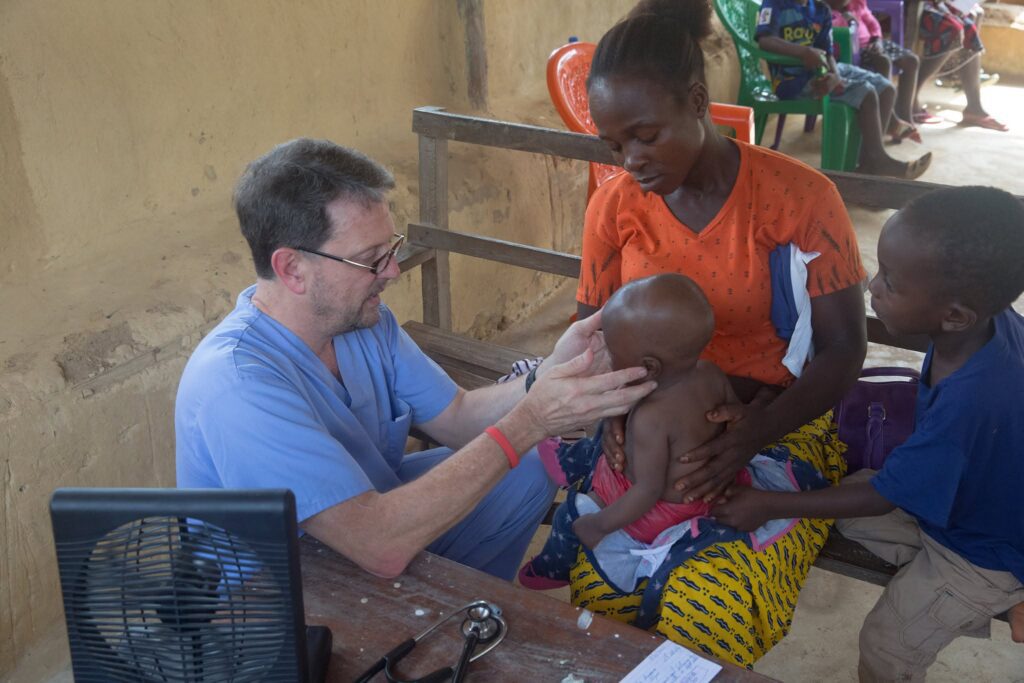
Dr. Malpass has participated in ten mission trips to Liberia through Set Free. For him, the reason for serving is simple. "God called, so I answered."
One moment he will never forget occurred after a village received a church, a water well, and a medical clinic.
"The village chief officially renounced their pagan religion and became a Christian. The pastor's acts of love and service led the village chief to Christ."
X-Ray Technologist and Orthopedic Specialist
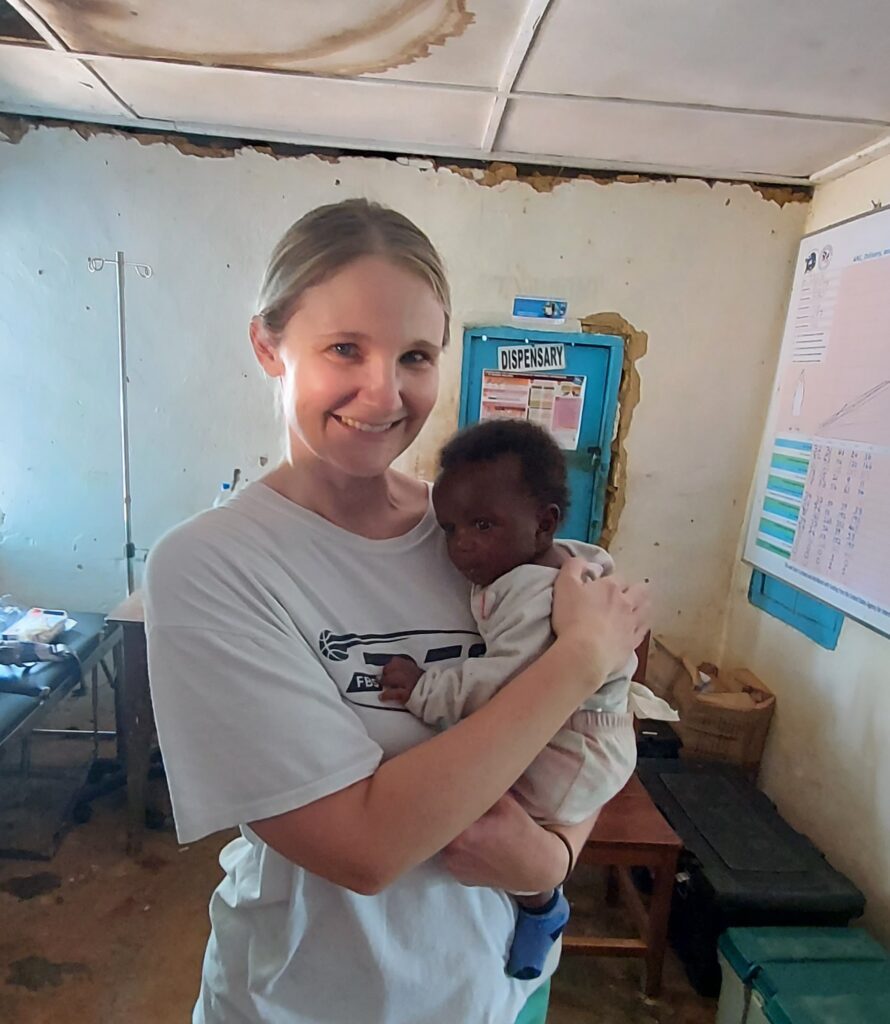
Jennifer joined Set Free's medical outreach in Liberia in 2023 and again in our first clinic in Sierra Leone in 2026.
She served by performing malaria testing and helping distribute medications to patients.
One memory that continues to stay with her is the gratitude of the people she met.
"They were so patient, some waiting for hours to be seen and then so thankful to have been treated. With so little, they were still willing to give us fruit from their own homes as a way to say thank you."
Jennifer also wants people to know that medical clinics need more than doctors and nurses.
"Anyone can go. Aside from the medical treatment aspect, people still need to be loved on, talked to, and prayed with."
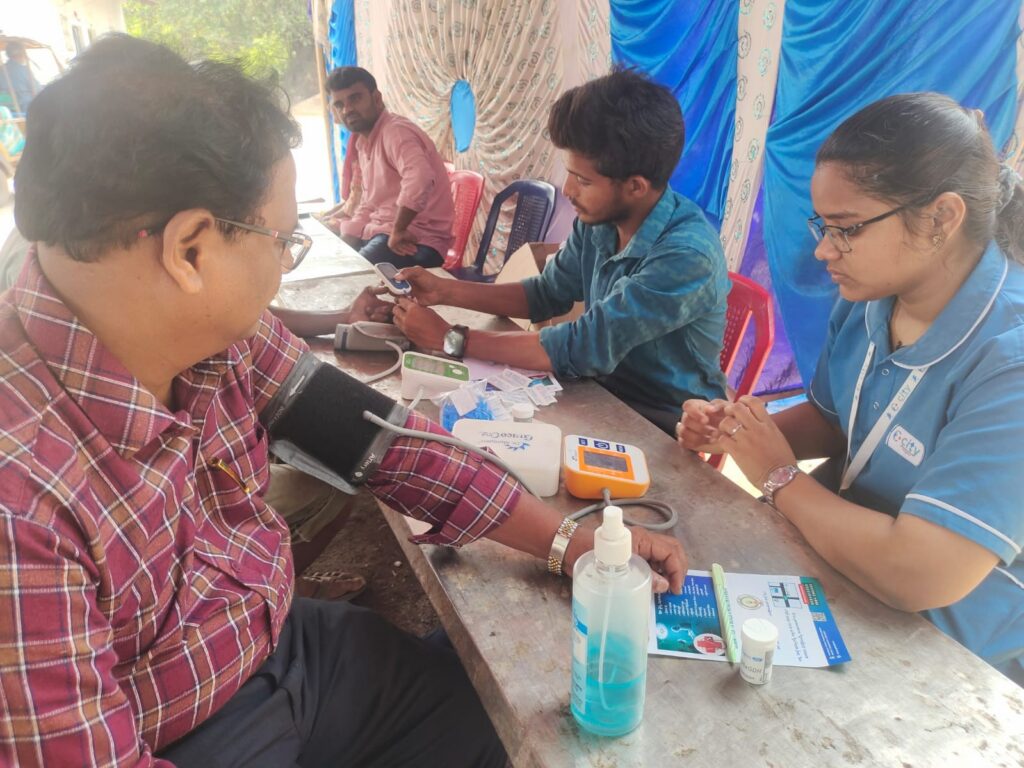
Every clinic provides treatment for illnesses that would otherwise go untreated. Every clinic creates opportunities for local churches to build relationships in their communities. Every clinic opens doors for the gospel in places where access can be difficult.
Healthcare and clean water often go hand in hand. Many of the illnesses treated at our clinics are directly connected to unsafe water sources, which is why Set Free frequently combines medical outreach with clean water projects.
Together, these efforts address both immediate needs and long-term health outcomes while creating opportunities for communities to hear about the hope found in Christ.
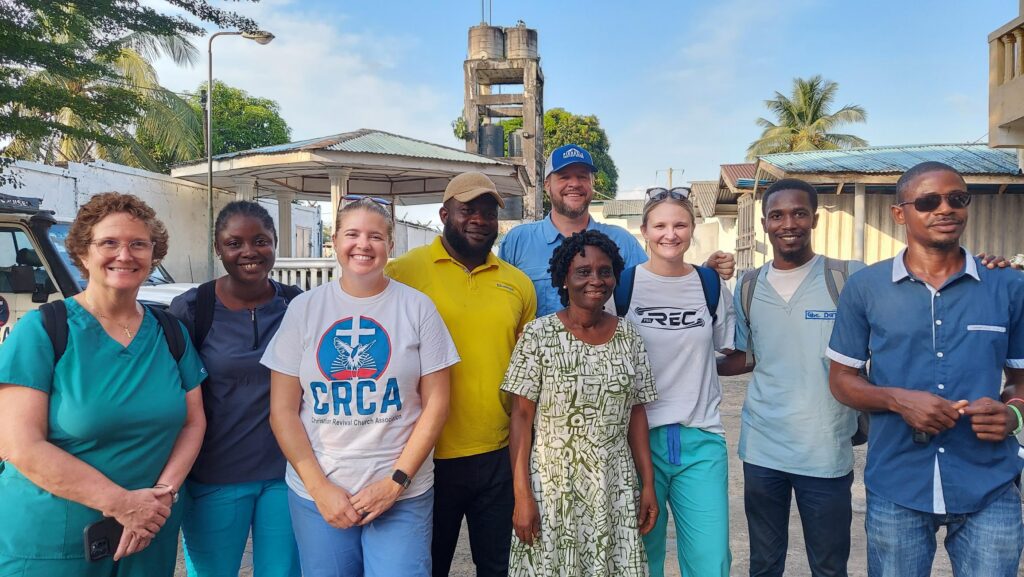
For many supporters, sponsoring a medical clinic is one of the most tangible ways to impact a community.
Just $1,000 sponsors an entire Set Free medical clinic, providing access to healthcare, medications, prayer, and gospel outreach for people who may otherwise never receive care.
A single clinic can serve hundreds—or even thousands—of patients while helping local churches build lasting relationships in their communities.
When you sponsor a clinic, you're helping bring healing, hope, and the love of Christ to some of the world's most underserved villages.
Sponsor a clinic today and help make healthcare and the gospel accessible to those who need it most.
Learn more and get involved:
See how far your dollars go in making an impact in the lives of others.